


6 Signs of a Bad Wheel Bearing
Frank Boucher Kia of Racine Service Department
That low hum you keep hearing on Highway 20 might not be your tires.
At Frank Boucher Kia of Racine, we see plenty of wheel bearings worn down by Wisconsin potholes and road salt, and catching the signs of bad wheel bearing wear early can save you a bigger repair.
So what should you actually listen and feel for?
Quick Answer
Watch for a hum or grind that rises with speed, loose steering, and steering wheel vibration. Uneven tire wear, odd-feeling brakes, and an ABS light can also show up.
Key Takeaways
- A hum or growl that gets louder with speed is the most common warning sign.
- Loose steering, vibration, and uneven tire wear can point to a worn bearing.
- A failing bearing can affect braking and trigger the ABS light.
- Potholes, road salt, and heavy loads shorten bearing life.
- Driving on a bad bearing risks wheel lock-up or loss of control.
What Are the Signs of a Bad Wheel Bearing?
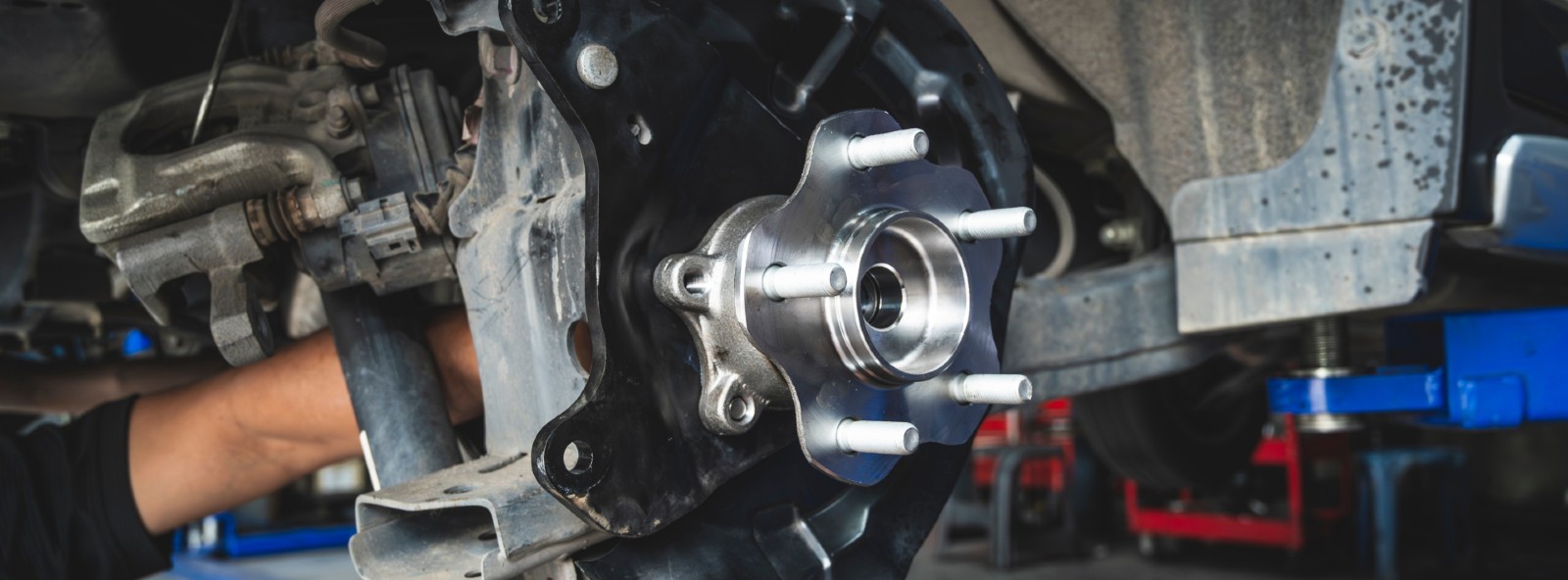
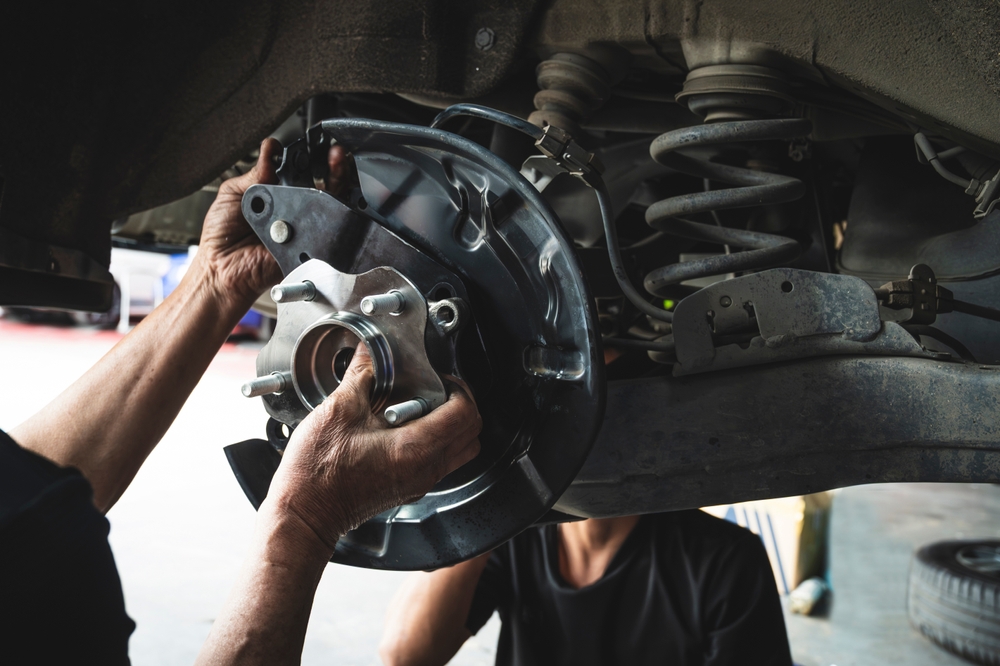
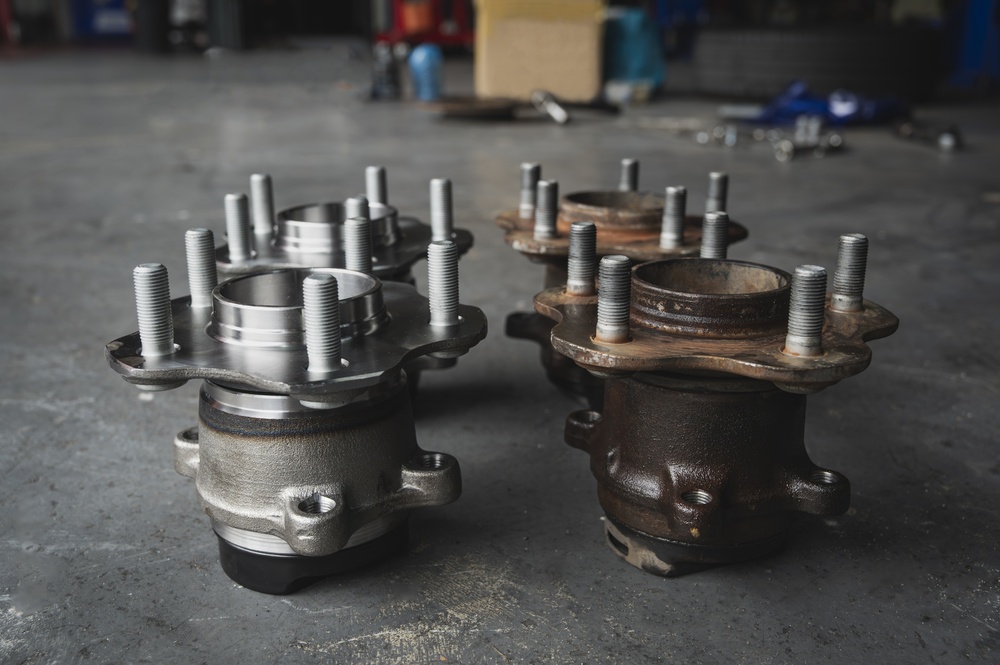
A wheel bearing is a ring of steel balls or rollers packed inside the wheel hub. It lets the wheel spin smoothly while carrying your vehicle’s weight. Once water and grit get past the seal, the bearing roughens up, and you’ll usually hear it before you feel it.
The classic wheel bearing noise is a low growl or hum that climbs with speed and may change pitch when you turn.
Quick tip: if it gets louder when sweeping right, the left bearing is often the culprit, and vice versa.
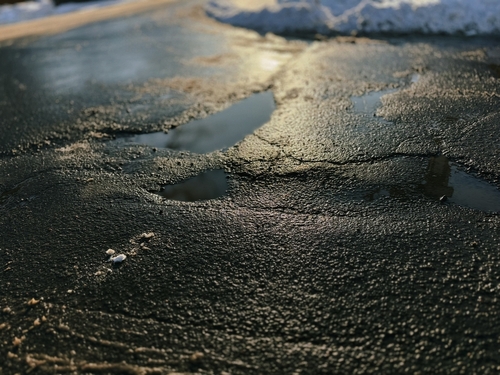
Around Racine, freeze-thaw potholes and salty slush can wear seals out sooner.
1. Humming, Growling, or Grinding Noises
A rumble that rises with speed is the top tip-off.
2. Loose or Vague Steering
Bearing play makes steering feel less precise in corners.
3. Steering Wheel Vibration
You may feel a shimmy at highway speeds or in turns.
4. Uneven Tire Wear
Odd wear that persists after rotations can point to the bearing.
5. Brakes That Feel Off
A loose bearing lets the rotor wobble, making braking feel soft.
6. ABS Warning Light
A loose bearing can throw off the nearby wheel speed sensor.
What Causes Wheel Bearings to Wear Out?
Many wheel bearings last somewhere between 75,000 and 150,000 miles.
Road impacts, water, heavy loads, and improper installation can shorten that.
Wheel bearings are sealed to keep grease in and water out. Once that seal’s compromised, wear picks up fast.
Pothole hits, standing water, and salty slush all take a toll. Towing beyond your vehicle’s rating adds strain, and so do unbalanced tires.
Poor installation matters too, which is why bad wheel bearing symptoms sometimes show up on newer vehicles.
For Racine drivers, pothole season and winter salt are the usual suspects, so ask for a quick bearing check at your next tire rotation.
Common Causes of Wheel Bearing Wear
Is It Safe to Drive With a Bad Wheel Bearing?
Not for long. A careful trip to our service department is fine, but putting off the repair raises the risk of the wheel locking up or coming loose.
As a bearing wears, it builds heat and play. That play can confuse your ABS, stretch stopping distances, and make your vehicle feel unsteady in turns. Left long enough, it can seize or let the hub separate, causing a sudden loss of control.
The tricky part? Wheel bearing symptoms often start subtly and get worse gradually, so it’s easy to tune out the noise.
If the hum turns into a loud grind, pull over safely and call for a tow. Otherwise, drive gently and get it checked soon.
Fixing a bearing now usually costs far less than replacing a damaged hub or brakes later.
Don’t Tune Out That Hum
Your vehicle usually tells you when something’s wrong. A wheel bearing noise that grows with speed, a shimmying steering wheel, or uneven tire wear all deserve a second look.
If you’re noticing any of these signs, scheduling a quick inspection at Frank Boucher Kia of Racine is an easy next step. Book online or call our service team, and they’ll walk you through what they find.
FAQ
What does a bad wheel bearing sound like?
Usually a low hum or growl that gets louder with speed and may change pitch in turns.
How long do wheel bearings last?
Often 75,000 to 150,000 miles, depending on road conditions and driving habits.
Can a bad wheel bearing cause the ABS light to come on?
Yes. Bearing play can cause false wheel speed sensor readings that trigger the light.
Do both wheel bearings need to be replaced at the same time?
Not always. A technician will check both sides and recommend replacing only what’s worn.
How does a technician check for a bad wheel bearing?
They’ll road test the vehicle, check the wheel for play, and spin it to listen for grinding.
0 comment(s) so far on 6 Signs of a Bad Wheel Bearing